Restaurant Marketing: How to Fill Tables, Build Loyalty, and Win Local Search
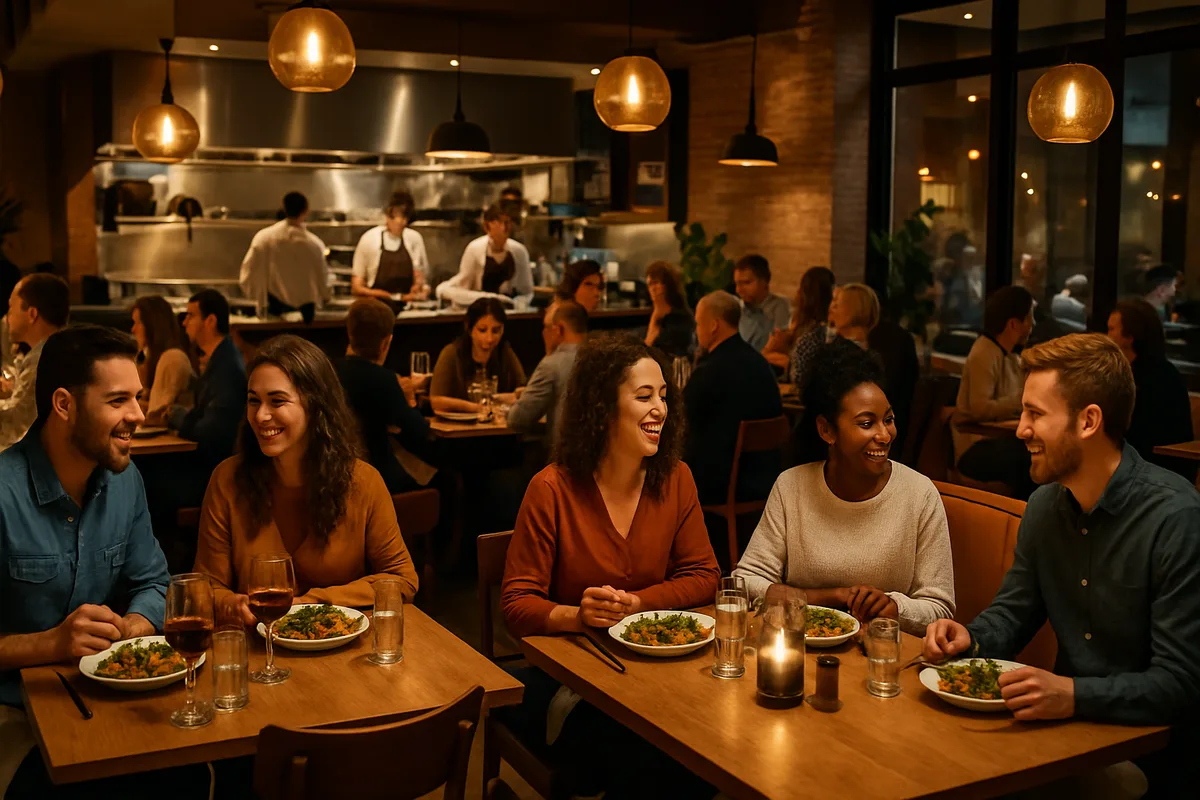
Restaurant Marketing: Standing Out in a Saturated Local Market
Restaurant marketing is one of the most competitive spaces in local service marketing. In any given city, a potential diner has dozens or hundreds of options within driving distance, and the decision about where to eat is often made on a phone screen in the hour before mealtime. The restaurants that win that decision consistently are not always the best ones -- they are the ones that are most visible, most trusted, and most appealing at the moment the decision is made.
This guide covers the channels and tactics that drive restaurant traffic consistently: local search, social media, online ordering and reservations, email and loyalty, and the word-of-mouth systems that turn customers into regulars who refer others.
Local Search: Winning the "Restaurants Near Me" Moment
A significant portion of restaurant discovery happens on Google. "Restaurants near me," "Italian restaurant [city]," "best brunch [city]," "date night restaurants [city]" -- these are searches from people who are actively deciding where to eat. The Google Maps pack and Google's local restaurant results (which now integrate with Reserve with Google and menu data) are the primary battleground for this discovery channel.
Google Business Profile optimized for discovery and conversion. Your GBP is the most important local marketing asset you control:
- Primary category that matches your cuisine and dining style. Italian Restaurant, Mexican Restaurant, Breakfast Restaurant, Seafood Restaurant, Bar, etc. Google's category list is extensive; choose the category that most precisely matches what you are, not the most generic option.
- Hours current and accurate -- including holiday hours. A restaurant that shows "Open" on Google when it's actually closed loses the customer and earns a negative review. Update hours for every holiday, private event, and temporary closure.
- Menu data added. Google allows you to add menu items to your GBP. Restaurants with menu data appear in more food-specific searches and show menu content directly in the knowledge panel. Take the time to add your full menu, including descriptions and prices.
- Photos of food, interior, and exterior. Restaurants live and die on visual appeal. A GBP with 30 high-quality food photos significantly outperforms one with 5 generic shots. Customers are deciding whether they want to eat your food -- show them the food.
- Online ordering and reservation links. GBP allows you to add ordering (via Google's restaurant partners like Toast, Olo, Square) and reservation links (OpenTable, Resy, Tock). These appear as prominent actions in search results and drive direct bookings.
- Review count and management. Restaurant reviews directly influence conversion. A restaurant with 600 reviews at 4.4 stars dominates over one with 50 reviews at 4.9. Systematically requesting reviews after positive experiences (receipt QR codes, email follow-up with online ordering systems, server prompts) compounds your review base over time. Respond to every review -- especially negative ones -- professionally and specifically.
Social Media: Where Food Discovery Happens Between Meals
Restaurant social media is one of the most high-ROI marketing investments a restaurant can make, because the content opportunity is built into every service. The food you make, the experience you create, and the people who work for you are all inherently visual and shareable.
Instagram: your always-on menu and vibe portfolio. Instagram is the primary platform for restaurant discovery for the 20-40 demographic. A consistent posting cadence -- 3-5 posts per week -- builds a visual archive of your food, your space, and your personality that convinces potential customers before they walk in. The posts that perform best: food shots (professional or phone, as long as the lighting and composition are good), behind-the-scenes kitchen content, drink and cocktail content, and special occasion or seasonal dishes.
TikTok: reach people who don't follow you yet. TikTok's algorithm shows content to people who don't follow the account -- which makes it the highest organic discovery channel for reaching new local customers. Restaurant TikTok content that performs well: the "come work a shift with me" format (a server or cook showing their night), new menu item reveals, cooking process videos, and anything that shows the personality of the kitchen and staff. You don't need production value -- authentic, engaging, and relatively short (30-60 seconds) is the winning formula.
Facebook: events, local targeting, and a slightly older audience. Facebook is where you announce events, live music, holiday specials, and private dining availability. Its event feature is underused by restaurants -- posting events (wine dinners, themed nights, brunch specials) to Facebook creates a discoverable listing that appears in Facebook's event search. Facebook Ads also offer strong local targeting (radius + demographic) for promoting specific offers or new menu launches.
Online Ordering and Third-Party Platforms
Third-party delivery platforms (DoorDash, Uber Eats, Grubhub) have fundamentally changed the economics of restaurant marketing. They are simultaneously a distribution channel (reaching customers who would not otherwise find you) and a cost center (commissions of 20-30% per order reduce margin significantly).
Third-party platforms as discovery, not profit. The most useful framing for third-party apps: they are a customer acquisition channel, not a primary revenue channel. A customer who orders from you on DoorDash and has a great experience is a potential convert to direct ordering (your own app or website). Invest in the in-bag marketing (a card with a QR code to your direct ordering system and a first-direct-order discount) that turns third-party customers into direct customers over time.
Direct ordering commission savings. Toast, Square, Slice (for pizza), and other restaurant-specific ordering platforms let you take online orders with significantly lower fees than third-party apps (typically 1-3% versus 20-30%). Directing loyal customers to your direct ordering system returns that margin to the restaurant. Promoting direct ordering ("Order direct and skip the fees -- we pass the savings on to you") in-store, on social, and via email rewards your repeat customers and improves your margins.
OpenTable, Resy, and Tock for reservations. Reservation platforms appear in Google search results and drive bookings from platform users who are browsing. They also handle the operational complexity of reservation management. The marketing value: these platforms give you a database of guests with booking history that you can (with appropriate opt-ins) market to for special occasions, events, and anniversary reminders.
Email Marketing and Loyalty Programs
Restaurant email marketing is underdeveloped in most independent restaurants. Customers who have already enjoyed a meal -- and who opted in to your list -- are more likely to return than cold prospects. A list of 1,000 loyal customers who receive a monthly email with specials, events, and new menu items is a significant marketing asset that costs essentially nothing per send.
Building the list. Wi-Fi opt-ins (guests enter email to access free Wi-Fi), online ordering account creation, reservation system data export (with appropriate permissions), and in-store signup cards or QR codes. Any system that captures guest email with their consent is a list-building channel.
Email cadence for restaurants. Monthly newsletter (specials, events, season menu changes) + targeted sends for holidays (Valentine's Day reservations, Mother's Day brunch, Thanksgiving takeout orders). Event emails should go out 2-3 weeks in advance for reservations and 1 week for walk-in specials. Frequency more than once per week feels spammy; monthly or bi-weekly is the sweet spot for most restaurants.
Loyalty programs. A digital loyalty program (Toast Loyalty, Square Loyalty, Paytronix, or a simple stamp card) that rewards repeat visits changes the economic calculation for your regulars. A customer who earns a free meal after 10 visits is motivated to choose you over a competitor, all else being equal. The tracking data from a loyalty program also gives you visit frequency and lifetime value data for your customer base.
Google Ads for Restaurants
Google Ads for restaurants are effective in specific scenarios: launching a new location, promoting a specific event or special, targeting competitor brand searches ("restaurants like [competitor]"), and capturing high-intent searches from tourists or visitors who don't know local options.
For most established restaurants, organic local search (well-optimized GBP + strong reviews) is a better investment than paid search because the cost-per-click for restaurant searches compounds over time and the margin per table turn is modest. Paid search makes sense when you have a specific campaign need (Valentine's Day reservations, holiday catering leads, event venue promotion) rather than as a constant baseline spend.
Local PR and Influencer Relationships
A single feature in a local newspaper food section, magazine, or influential food blog can drive months of increased traffic. Local food influencers with engaged local followings (5,000-50,000 followers is often more valuable than a million-follower national account with no local concentration) are a cost-effective PR channel: invite them for a hosted dinner, provide a genuine experience, and let them create content naturally.
Reaching out to local food writers and journalists is not complicated -- a well-crafted email with a compelling hook (new chef, unique concept, seasonal menu change, a story worth telling) and an invitation to dine is enough to open the conversation. The restaurants that get covered are the ones that actively pitch.
Private Dining and Events
Private dining rooms and catering for private events are high-margin revenue for restaurants that have the space. Corporate events, rehearsal dinners, birthday celebrations, and holiday parties represent multi-thousand-dollar bookings that are often searched specifically ("private dining [city]," "restaurant for corporate event [city]"). A dedicated private dining page on your website and a GBP service listing for private events captures this search intent.
Putting It Together
The highest-leverage restaurant marketing investments:
- GBP fully optimized: accurate hours, menu data, food photos, review collection and response
- Instagram and TikTok with consistent food and behind-the-scenes content
- Online ordering on third-party platforms + conversion to direct ordering
- Reservation platform presence (OpenTable/Resy) with event listings on Facebook
- Email list with monthly newsletter and holiday campaigns
- Loyalty program for repeat customer tracking and incentive
If you need help building a restaurant marketing program that grows consistent traffic, increases repeat visits, and fills your calendar with reservations and events, reach out at Silver Path Marketing.