Mold Remediation Marketing: How to Fill Your Schedule With High-Urgency Jobs
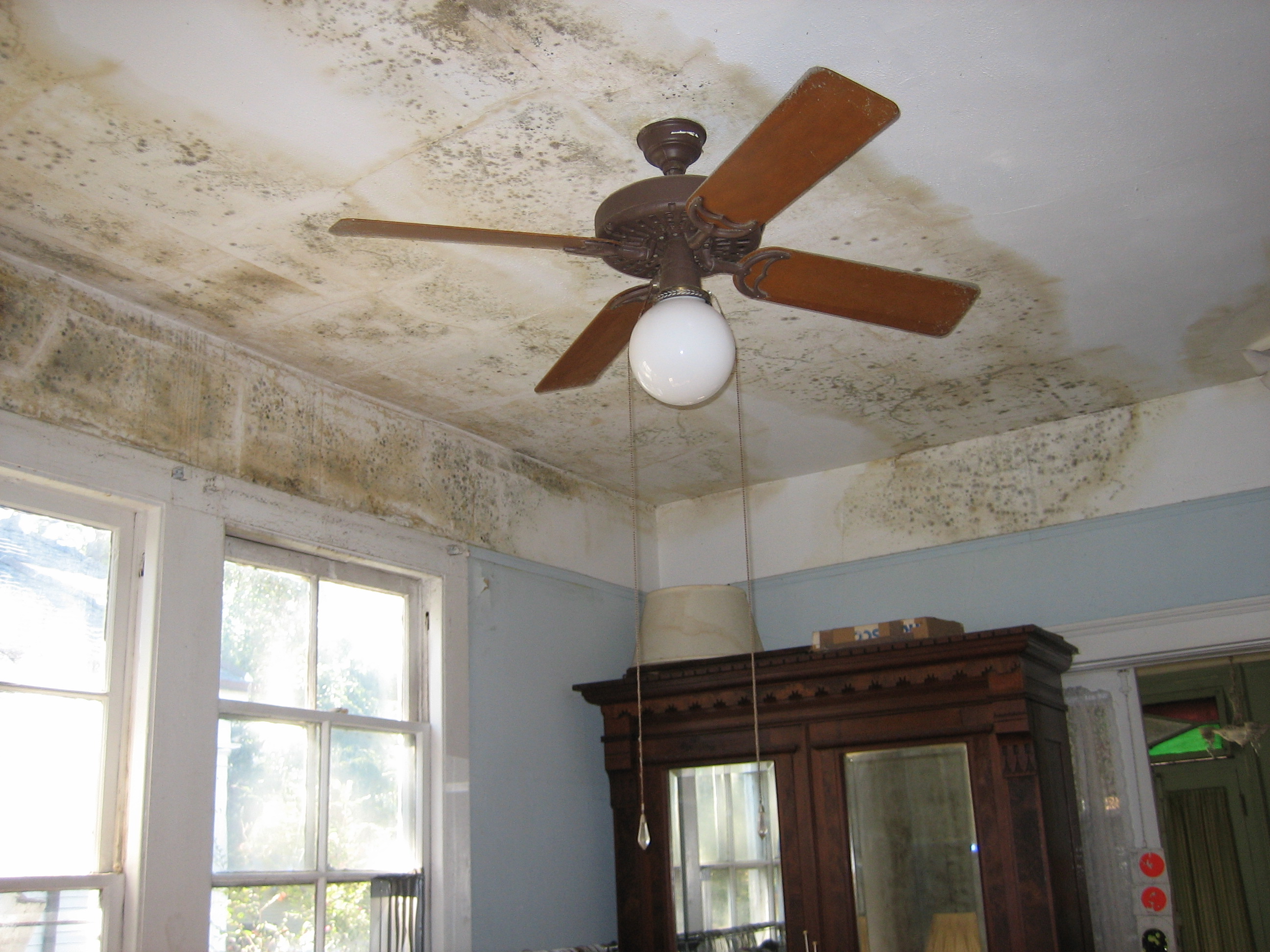
Mold remediation has a buying dynamic that is almost entirely driven by fear and urgency. A homeowner who finds mold in their basement, discovers a leak that soaked a wall, or gets a report from a home inspector flagging active mold growth is not comparison shopping. They want it handled, they want it handled by someone who knows what they are doing, and they want it done quickly. That urgency is the defining characteristic of this category, and the marketing system that works for mold remediation is built around being visible at the exact moment that urgency peaks.
This guide covers the channels and tactics that fill a mold remediation company's schedule -- including how to convert the high-intent searches, build the referral relationships that produce consistent volume, and establish the trust signals that cause a scared homeowner to call you instead of a competitor.
Local SEO: Own the Moment When Fear Peaks
The highest-value position in mold remediation marketing is the top of the local map pack when someone searches "mold removal [city]" or "mold remediation company near me." These are not research queries -- they are buying queries from people who have already decided they need professional help and are looking for someone to call. A strong map pack presence at this moment is where most mold remediation revenue starts.
- Set up your Google Business Profile as a mold specialist, not a generalist. Use "Mold Remediation Service" or "Water Damage Restoration Service" as your primary category. Add service entries that match specific searches: mold removal, mold inspection, basement mold remediation, crawl space mold, attic mold, black mold removal, water damage cleanup, and post-flood remediation. The more specifically your GBP matches what buyers are searching for, the higher you rank in the map pack for those searches. Add photos that show the remediation process and the clean result -- before and after pairs are the most convincing evidence that you can actually fix the problem.
- Build dedicated pages for each problem type and location. A homeowner searching "black mold in basement [city]" is different from one searching "attic mold remediation [city]." Each has a different problem, a different fear, and responds to different content. Separate landing pages let you address each buyer's specific concern directly and rank independently for each search term. Dedicate pages to basement mold, crawl space mold, attic mold, bathroom mold, water damage restoration, post-flood cleanup, and HVAC mold -- each targeting the city or metro you serve.
- Create content for the symptom and research phase. "What does black mold smell like," "is mold dangerous to health," "how much does mold remediation cost," "can I remove mold myself" -- these are searches from homeowners who have noticed something suspicious and are trying to understand whether they have a real problem and what to do about it. Informational pages that answer these questions build authority with early-stage buyers, and they frequently convert to calls when the buyer decides professional help is the right move. Content that honestly addresses the DIY question (and explains when professional remediation is necessary) is particularly effective at converting buyers who started out thinking they could handle it themselves.
- Build service-area pages for every city and suburb you serve. "Mold remediation [suburb]" searches are winnable with dedicated pages and produce buyers who searched their specific location. A geographic footprint of pages compounds over time and protects your visibility even when a new competitor enters your main city term.
Google Ads: Capture Urgency at the Search Moment
Mold searches are among the highest-intent categories in home services. When someone searches "emergency mold removal" or "mold found in house," they are ready to make a decision immediately. Google Ads puts you at the top of results for these searches before your organic rankings mature -- and keeps you there while competitors invest in their own SEO.
- Segment campaigns by urgency level and problem type. An "emergency mold removal" campaign speaks to a buyer who needs someone today. A "basement mold remediation" campaign speaks to a buyer who discovered a problem and is getting quotes. A "mold inspection" campaign speaks to a buyer who is not sure they have a problem but wants to confirm. Each requires different ad copy and different landing pages. The emergency buyer needs to see a phone number, availability hours, and same-day response prominently. The inspection buyer needs to see what the process involves and what you check.
- Highlight response time and availability in every ad. "Same-Day Assessment Available," "24-Hour Response," or "Emergency Mold Removal -- We're Available Now" in your ad headline directly matches the urgency the buyer is feeling. These messages increase click-through rate and pre-qualify buyers who are ready to move quickly.
- Use call extensions and call-only ads for high-urgency searches. Many mold remediation buyers prefer to call rather than fill out a form -- the problem feels too immediate and personal to handle via web form. Call extensions make it easy to call directly from the ad. For searches with strong emergency intent, test call-only ads that present a phone number rather than a landing page link.
- Add negatives for informational and DIY searches from the start. "How to test for mold yourself," "mold test kit," "bleach to kill mold," "mold in rental landlord responsibility" -- these searches produce clicks from people who are not ready to hire anyone. Add them as negatives to protect budget for buyers who intend to hire a professional.
Insurance and Restoration Partnerships
A significant share of mold remediation revenue comes through insurance claims. Water damage from a burst pipe, a roof leak, or a flood event often leads to mold growth, and homeowners in this situation frequently go through their insurance carrier to find a contractor. Building relationships with insurance adjusters, restoration companies, and property damage inspectors creates a referral channel that produces insurance-funded jobs with motivated buyers.
- Partner with water damage restoration companies. Water damage and mold are directly related -- a water damage job that is not fully dried creates mold growth within 24-72 hours. Restoration companies that do not handle mold remediation in-house need a trusted mold contractor they can refer and subcontract to. A reciprocal relationship where you send water damage referrals to them and they send mold referrals to you is natural and produces consistent volume from both directions.
- Build relationships with independent insurance adjusters. Independent adjusters evaluate property damage claims across many homeowners and make contractor recommendations when homeowners ask. An adjuster who knows your company, trusts your documentation, and has seen you produce accurate remediation scopes becomes a recurring referral source. Introduce yourself at local insurance industry events, and make it easy for adjusters to work with you by providing thorough written estimates and clear project documentation they can attach to claims.
- Get listed with preferred vendor programs. Many insurance carriers maintain lists of pre-approved or preferred contractors for remediation work in their service areas. Getting on these lists requires meeting documentation, certification, and insurance requirements -- typically IICRC certification (Institute of Inspection Cleaning and Restoration Certification) -- but produces a direct referral pipeline from the carrier when homeowners in your area file relevant claims.
Real Estate Referrals: The Pre-Transaction Opportunity
Real estate transactions create a distinct and time-pressured source of mold remediation leads. Home inspectors regularly flag mold growth or moisture conditions in pre-purchase inspections, and buyers need the issue assessed and often remediated before closing. Sellers who receive low offers because of mold conditions need remediation to negotiate or relist. The timeline pressure in both situations makes these buyers highly motivated.
- Build a relationship with home inspectors in your market. Home inspectors flag mold and moisture conditions in virtually every report they write. The ones who recommend two or three remediation contractors by name are generating referrals systematically. Introduce yourself, provide a clear explanation of your services and pricing approach, and make it easy for inspectors to hand your card to buyers and sellers who need follow-up work.
- Offer rapid assessment turnaround for real estate transactions. A purchase transaction has a hard closing date. A remediation company that can provide a written scope and estimate within 48 hours of a call -- with a schedule that works within the closing timeline -- is worth far more to a buyer's agent than one that takes a week. Speed of assessment is the primary competitive advantage in the real estate referral channel.
- Provide clear written remediation protocols that satisfy lenders. Mortgage lenders sometimes require written remediation protocols before closing on a home with mold conditions. A remediation company that understands what lenders need and provides documentation in the right format removes friction for the buyer and makes the agent's job easier. Agents and inspectors who have seen you handle this smoothly refer to you repeatedly.
Certification and Trust Signals: Converting Scared Buyers
A homeowner who has discovered mold is choosing a contractor to work inside their home on a health-related problem. They are more risk-averse than a homeowner getting a deck built or a driveway replaced. Certifications, professional affiliations, and visible process transparency directly address that risk and increase conversion rates.
- Make IICRC certification visible everywhere. IICRC (Institute of Inspection Cleaning and Restoration Certification) is the industry standard for mold remediation professionals. Display your certification on your website, your GBP, and in your ads. A buyer who does not know what IICRC is still registers "this contractor is certified" and "this is a real professional" -- which reduces the hesitation that kills conversion.
- Explain the process on your website and landing pages. "What happens during a mold remediation" is one of the most common questions buyers have before they call. A clear step-by-step explanation of the assessment, containment, removal, and clearance testing process answers their question, demonstrates your expertise, and reduces the friction between "I have mold" and "I'm ready to call."
- Use review language that speaks to other scared buyers. Reviews that say "they explained everything, I knew exactly what they were doing and why" or "they found mold we didn't know we had and showed us the testing results" address the exact fears that make mold remediation buyers hesitant. When requesting reviews, guide customers to mention the communication, the testing, and how they felt after the job was complete.
Working With a Mold Remediation Marketing Partner
The local search environment for mold remediation is competitive in most markets, and running an effective Google Ads program while building local SEO authority and managing referral relationships alongside running a remediation operation is a significant workload. The companies that consistently fill their schedule are the ones that treat marketing as a system, not a task they attend to when it is slow.
A marketing partner who understands the fear-driven urgency of this category, the insurance and real estate referral channels that produce the best jobs, and the trust signals that convert cautious buyers can build that system for you. If you want to see what a focused marketing effort could do for your mold remediation business, book a strategy call with Silver Path Marketing.
For more strategies across home service categories, see the home services marketing hub.