Insulation Contractor Marketing: How to Fill Your Schedule in Both Peak Windows
Why Insulation Contracting Is an Unusually Good Business to Market Right Now
Insulation contractors have a tailwind most home service categories do not: energy costs are high, homeowners are aware of it, and federal tax credits plus utility rebates are actively subsidizing the work. A homeowner opening a $400 electric bill in August is already motivated -- they just need to find someone credible to call. The marketing job is to be visible at that moment and credible when they land on your website.
The challenge is that most insulation companies do not market with the same intentionality as their HVAC or roofing counterparts. The contractors who invest in local search visibility, run targeted paid campaigns in peak seasons, and build referral relationships with energy auditors and HVAC companies fill their schedule at full price while competitors wait for the phone to ring.
The Two Buying Moments for Insulation: Comfort and Crisis
Understanding what drives insulation buyers helps you position every marketing message correctly. There are two distinct buying motivations:
Comfort and efficiency buyers are homeowners who notice their house is too hot in summer, too cold in winter, or their energy bills feel unreasonably high. They are not in crisis -- they are improving their situation. These buyers research, compare, and take weeks to decide. They respond to education: what types of insulation are right for their situation, what the payback period looks like, how the rebate process works.
Problem-driven buyers are homeowners with a specific issue: a home inspector flagged inadequate attic insulation at purchase, a contractor found moisture damage in the crawl space, or an energy audit produced a written report with deficiencies. These buyers are closer to the decision and respond to clear capability and process over education.
Your marketing should speak to both. Long-form content and GBP visibility serve the research-phase comfort buyer. Google Ads with specific call-to-actions serve the problem-driven buyer who knows what they need.
Local SEO for Insulation Contractors
Insulation searches cluster around two patterns: general intent ("insulation contractor near me," "attic insulation [city]") and specific product or area queries ("blown-in insulation [city]," "spray foam basement [city]," "crawl space insulation quote"). Your SEO needs both.
Google Business Profile setup
- Primary category: Insulation Contractor. If you also do weatherization or air sealing, those can be secondary categories. Keep the primary tightly focused -- the map pack favors profiles that closely match what the searcher is looking for.
- Services list with product and application specifics. Add blown-in attic insulation, spray foam insulation, batt insulation, crawl space insulation, wall insulation, air sealing, and vapor barrier installation as individual service entries. These surface in relevance signals for more specific searches.
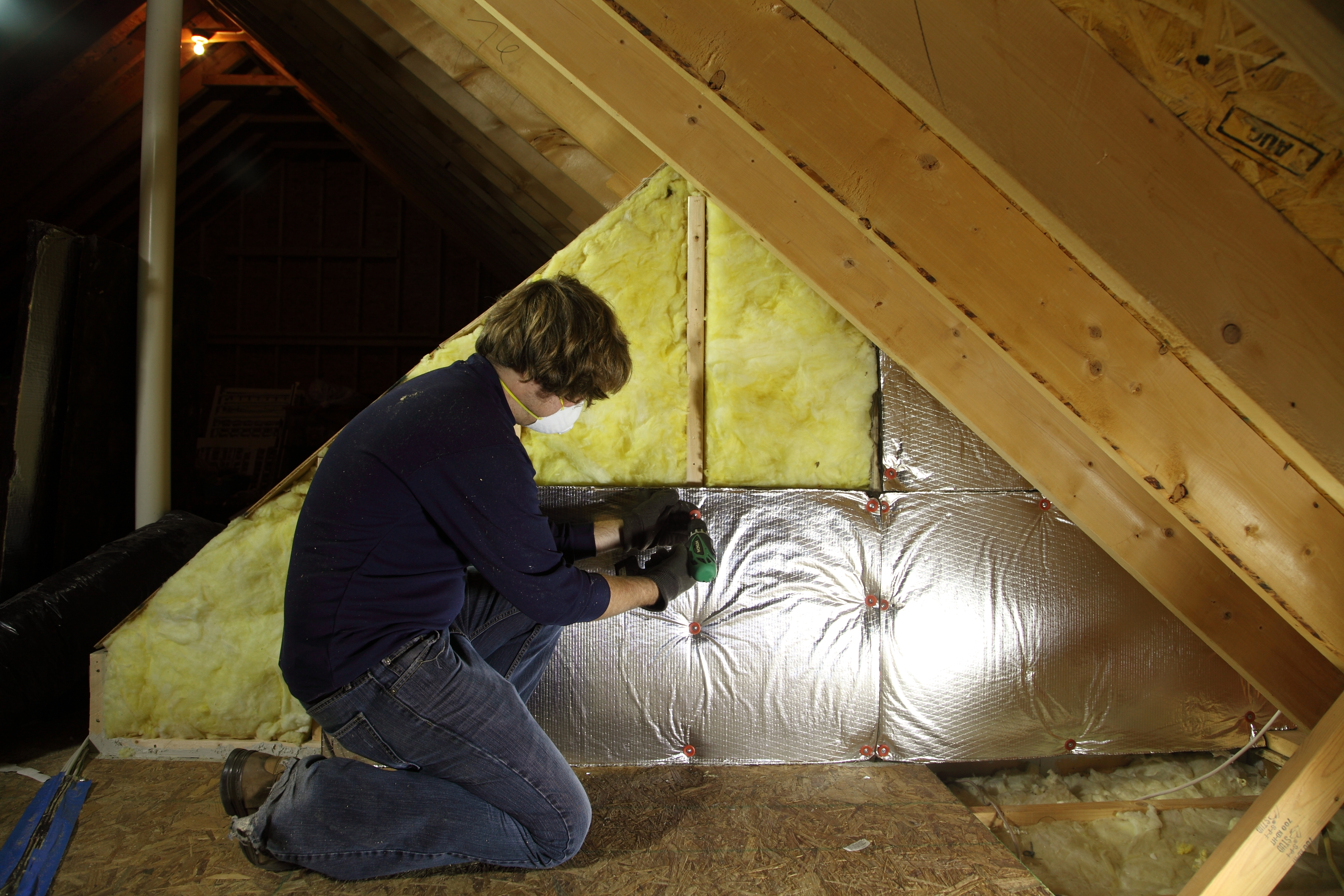
- Photos of real work. Attic before/afters (a bare or inadequate attic versus a fully insulated one), thermal imaging photos if you use a camera, and close-ups of clean spray foam application all build credibility. Insulation is invisible once installed -- photos taken during the job are often the only visual evidence of the quality of your work. Shoot them consistently.
Product and application landing pages
A general "insulation contractor" page captures broad searches. Dedicated pages capture higher-intent product and application searches:
- Attic insulation (blown-in and batt)
- Spray foam insulation
- Crawl space insulation and vapor barriers
- Basement and rim joist insulation
- Wall insulation (existing homes)
- Air sealing services
- Commercial insulation
Each page should explain what the product or application is, when it is the right choice versus alternatives, what the installation process looks like, and what the energy and comfort outcomes typically are. A homeowner who has researched blown-in insulation and lands on your dedicated page is closer to requesting a quote than someone on a generic homepage.
Rebate and incentive content
Utility rebates and federal tax credits are a meaningful buying trigger for insulation. Many homeowners do not know these programs exist, and contractors who explain them clearly -- what is available in your area, how the claiming process works, what paperwork you help with -- convert better than competitors who mention rebates vaguely in a footer. A dedicated page covering rebate programs available in your market, updated annually, captures searches like "insulation rebate [city]" and "energy efficiency tax credit contractor" that competitors mostly ignore.
Google Ads for Insulation Contractors
Paid search works well for insulation because the jobs are high-ticket ($1,500 to $6,000 for attic insulation, significantly more for spray foam or whole-house projects) and the buying decision is often time-sensitive enough that organic search alone does not capture everything. A homeowner who just got an energy audit report naming inadequate insulation wants a quote this week -- Google Ads ensures you are visible to them.
Campaign structure
- General residential intent ("insulation contractor near me," "attic insulation quote [city]")
- Product-specific ("blown-in insulation," "spray foam contractor," "cellulose insulation installer")
- Application-specific ("crawl space insulation," "basement rim joist insulation," "wall insulation existing home")
- Rebate-motivated ("utility rebate insulation," "energy efficiency upgrade contractor" -- these buyers are highly qualified)
Seasonal timing
Insulation has two peak buying periods:
Summer (July through September): homeowners experience the problem directly -- a hot attic, high AC bills, rooms that do not cool evenly. This is the strongest season for attic and air sealing work. Ramp budgets in July and hold through September when weather turns.
Fall (October through November): pre-winter urgency drives a second peak. Homeowners who suffered through last winter or who have just had their HVAC serviced and been told their home is losing heat are motivated buyers. Start fall campaigns in late September to capture early planners.
Running a baseline budget year-round and surging in these two windows is more effective than turning campaigns on and off -- the algorithm needs a learning period, and cold-starting in July costs you the first two to three weeks of peak demand.
Thermal Imaging as a Marketing Tool
If you have a thermal imaging camera -- or offer energy audits that use one -- the images it produces are among the most powerful content in home services. A thermal scan showing heat escaping through an attic floor or cold air infiltrating through a rim joist makes the invisible visible. Homeowners who see their own house leaking heat in a thermal image are dramatically more motivated to act than homeowners who hear a contractor tell them they need more insulation.
Use thermal images in your website content, in your proposals, and on social media. A side-by-side thermal comparison (before and after air sealing and insulation) is the insulation equivalent of a pressure washing before/after -- the transformation is undeniable. If you do not have a camera, a $2,000 investment in an entry-level thermal camera pays for itself quickly in higher close rates on proposals that include images.
Referral Partnerships That Fill Your Pipeline
Three referral sources consistently produce qualified insulation leads:
HVAC contractors
HVAC technicians regularly find homes with inadequate insulation during equipment service calls, system replacements, and load calculations. A home that is leaking heat or cool air is also overworking its HVAC equipment -- the HVAC contractor's recommendation to add insulation is a direct service to their client. Build reciprocal relationships with two or three active HVAC companies: you refer homeowners who need equipment after discovering energy efficiency problems; they refer homeowners who need insulation. Many of the best insulation leads in the market flow through HVAC referrals, not advertising.
Energy auditors
A certified energy auditor who performs blower door tests and energy assessments produces written reports that explicitly name insulation deficiencies. That report is a warm hand-off: the homeowner has paid for a professional assessment and received a document telling them what work needs to be done. Become the preferred installer for energy auditors in your market. When they write a report, your name is the contractor they recommend.
Real estate agents
Pre-listing home inspectors regularly flag inadequate insulation, especially in older homes. An agent whose listing has been flagged for attic insulation deficiency needs a contractor who can schedule quickly and provide clean documentation for the buyer's due diligence process. One real estate agent relationship with regular listings in older neighborhoods can produce steady work throughout the selling season.
Building Reviews That Convert Insulation Prospects
Insulation reviews that convert are specific about the outcome: "After they added insulation and did the air sealing, our master bedroom actually cools down now. We had it checked for 15 years but never got it fixed. Our first bill after was $60 lower." A specific energy savings figure or comfort outcome does more work than a generic "great company, very professional."
Ask at job completion, and specifically ask the homeowner to mention the result in their review -- the difference in their comfort or their energy bill -- rather than just the experience. Reviews that describe outcomes attract the next buyer who has the same problem.
Building Your Insulation Marketing System
Insulation contractors who stay booked at profitable rates build their marketing in layers:
- GBP and product-specific pages first. Organic search visibility for product and application terms (blown-in attic insulation, spray foam, crawl space) is the foundation. A complete GBP with real project photos and updated rebate content builds visibility before you spend on ads.
- Rebate and incentive content. A page explaining what rebates are available in your area and how to claim them captures motivated buyers that most competitors miss and positions you as the credible expert.
- Google Ads in July and October. Two seasonal surges cover peak summer and pre-winter buying windows. General residential, product-specific, and rebate-motivated campaigns each need distinct messaging and landing pages.
- Thermal imaging in proposals. A visual that makes heat loss visible dramatically improves close rates on larger projects. If you have the camera, use it in every qualifying conversation.
- Two or three referral relationships. One strong HVAC company, one energy auditor, and one active real estate agent produce a steady stream of qualified leads that do not depend on your advertising budget.
If you want to build an insulation contractor marketing system that fills your schedule in both peak windows and builds a referral base that produces leads year-round, Silver Path Marketing works with specialty contractors and home service businesses on the marketing infrastructure that produces consistent results. Reach out to get started.