Concrete Contractor Marketing: How to Fill Your Schedule With Driveways, Patios, and Commercial Flatwork
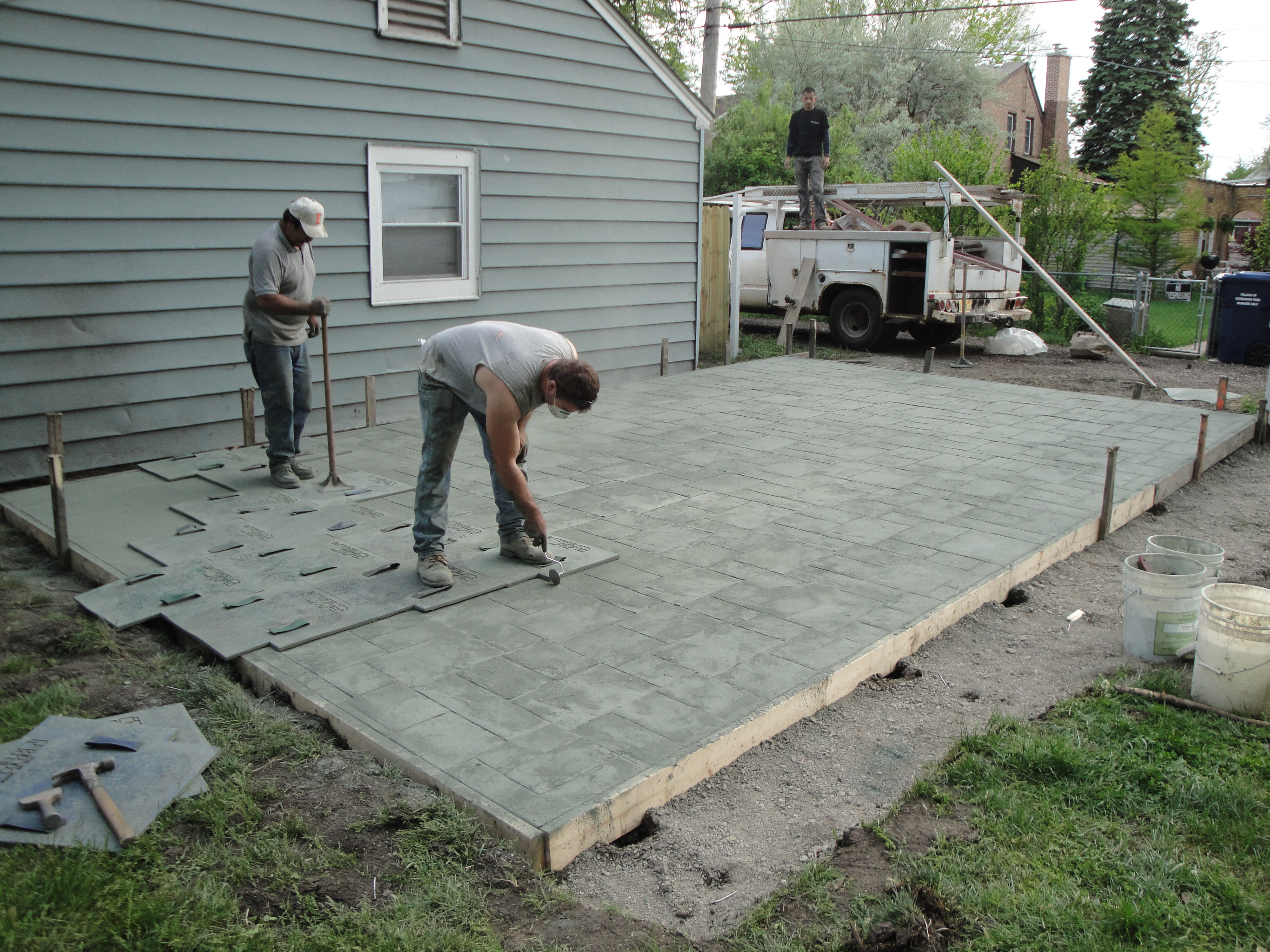
Concrete work is one of the more difficult home service categories to market, not because demand is low, but because the buying process varies so widely. A homeowner replacing a cracked driveway is making a considered purchase -- comparing quotes, looking at photos, thinking about curb appeal. A property manager who needs a commercial parking lot repaired has a vendor approval process and a maintenance budget. A builder who needs a foundation poured is on a project timeline. Each of these buyers finds you differently, evaluates you differently, and needs to see different things before they call.
This guide covers how to build a marketing system that reaches all three buyer types and converts them at the highest possible rate.
Local SEO: Show Up When Someone Is Ready to Call
Most residential concrete work starts with a Google search. "Concrete driveway replacement," "patio concrete contractor near me," "crack in driveway repair" -- these are high-intent searches from buyers who are past the awareness stage and ready to get a quote. Winning local search for these terms is the highest-leverage marketing investment most concrete contractors can make.
- Set up your Google Business Profile for the full scope of your work. The GBP primary category should be "Concrete Contractor." Add services by type: driveway installation, driveway replacement, driveway repair, patio installation, concrete sidewalk, garage floor coating, stamped concrete, decorative concrete, basement floor, commercial concrete, flatwork. The more specific your services match what people are searching for, the better your map pack performance. Add project photos organized by type -- before/after pairs for driveways, photos of different finishes for patios (broom finish vs stamped vs exposed aggregate), and progress shots for larger commercial jobs.
- Build landing pages for each major service type. A "concrete driveway contractor [city]" page and a "stamped concrete patio [city]" page rank independently and convert better than one generic page about concrete services. Homeowners who want stamped concrete want to see stamped concrete photos and read about stamped concrete -- not information about parking lot repair. Separate pages let you tailor the content, photos, and call to action to the specific buyer searching for each service.
- Add service-area pages for every significant city and suburb you work in. Concrete contractors typically serve a regional area, and searches from homeowners in outlying suburbs are winnable with dedicated pages. A page optimized for "concrete contractor [suburb]" terms captures searches from buyers who search their specific location rather than the metro area, and these pages have lower competition than city-level terms.
- Create content for the research phase. "How long does a concrete driveway last," "concrete vs asphalt driveway," "how much does a stamped concrete patio cost," "concrete patio vs paver patio" -- these are questions buyers type when they are evaluating whether concrete is the right choice. Informational content that addresses these questions builds awareness and authority with buyers who will need a contractor in the next few months.
Photography: The Highest-Leverage Investment in Concrete Marketing
Concrete work is highly visual and highly differentiated by quality and finish. A well-installed stamped concrete patio photographed on a clear afternoon looks completely different from a basic broom-finish slab. Buyers comparing contractors online are comparing photos more than anything else, and contractors with strong project photo libraries consistently win more jobs at better margins than those without them.
- Photograph every job before, during, and after. Before photos show the problem: cracked concrete, deteriorating surface, old slab. Progress photos show that you are doing the work properly. After photos are the marketing asset. Take after photos the same day, before the site is cluttered with equipment, when the light is good -- early morning or late afternoon for the best angles.
- Organize your photo library by project type and finish. Keep separate folders for driveways (plain / stamped / exposed aggregate), patios (plain / stamped / colored), garage floors, commercial flatwork, steps, curbs, and specialty work. When you update your website, GBP, or respond to an estimate request, pull photos from the right folder rather than searching through everything.
- Prioritize stamped and decorative concrete photos. These jobs attract the highest-margin residential buyers and are the hardest to rank for on price. A homeowner who decides they want a specific pattern or color finish is not shopping at the bottom of the market -- they want someone who has done that work before and can show results. Your stamped concrete photos are evidence of that capability.
Google Ads: Capture the High-Intent Buyer
Concrete replacement and installation searches have high commercial intent and, for the right job types, high average job values. Google Ads lets you be visible at the top of search results immediately for exactly the terms you want, while SEO builds over months. Most concrete contractors should run both.
- Segment campaigns by job type and buyer intent. A "driveway replacement" campaign, a "patio installation" campaign, a "concrete repair" campaign, and a "commercial concrete" campaign each need different ad copy, different landing pages, and potentially different bid strategies. Driveway replacement is your bread and butter, often the highest volume term. Patio installation attracts higher-ticket projects. Concrete repair includes a mix of emergency (cracked, sinking, safety hazard) and planned buyers.
- Lead strongly with your geographic service area and photos of your work. Concrete buyers want local and proven. Ad copy that says "Madison-Area Concrete Contractor" or "Serving Dane County Since [Year]" outperforms generic copy. Ad extensions with your phone number, review stars, and a link to your photo gallery increase click-through rate.
- Add strong negative keywords for DIY searches. "How to pour concrete," "concrete mix ratio," "rent concrete forms," "quikrete calculator" -- add these from day one to filter out clicks from people who are doing it themselves. Also add negatives for concrete blocks, concrete furniture, cement art, and similar product searches that trigger on the word "concrete" without being contractor searches.
- Run a separate campaign for commercial and multi-family. Property managers and commercial property owners search differently ("parking lot repair contractor," "commercial concrete flatwork," "HOA driveway replacement") and need different landing pages that speak to their vendor evaluation process, their timeline requirements, and their liability concerns. A residential landing page converts commercial buyers poorly.
Estimating as a Sales Process
Most concrete contractors lose jobs not on price but on how they run the estimate. A thorough, professional estimate visit that demonstrates expertise, explains the options, and sets clear expectations about process and timeline closes at a significantly higher rate than a quick measurement followed by a price via text. At the price points where concrete work operates -- a driveway replacement can run $8,000 to $20,000, a large stamped patio $15,000 to $40,000 -- buyers are making a considered decision and want to feel confident in the contractor before they commit.
- Bring printed or digital examples of finishes to the estimate. For any decorative or stamped work, showing physical or high-resolution samples of patterns, colors, and finishes during the estimate helps the buyer make a decision on the spot rather than thinking about it for days. Contractors who walk through options with the buyer at the estimate and close before leaving do not need to follow up as many times.
- Explain the installation process during the estimate. How long it takes, when they need to stay off it, what happens if it rains, what the curing timeline is -- buyers have these questions and most contractors do not answer them until asked. Walking through the process proactively positions you as experienced and transparent, which reduces the friction between estimate and signed contract.
- Present a clear written proposal, not just a price. A written proposal that specifies the scope, thickness, reinforcement, finish, and any prep work included makes your quote easier to compare apples-to-apples with competitors and reduces post-project disputes. Buyers who understand what they are getting are more likely to sign and less likely to get sticker shock.
Referral Channels: Builders, Landscapers, and Property Managers
The most consistent source of high-quality concrete leads for established operators is not Google -- it is a network of referral partners who send projects on a regular basis. Builders need concrete on every new construction job. Landscapers regularly need flatwork for patios, walkways, and retaining walls. Property managers need ongoing maintenance and replacement for parking lots and walkways across multiple properties.
- Build relationships with residential and light commercial builders. A builder who trusts you to show up, do the work right, and not create problems on their jobsite sends you work on every project they build. This relationship takes time to develop but produces a predictable stream of jobs at predictable margins. Visit builder offices, show your portfolio of commercial and new construction work, and make reliability and communication your selling points -- builders care more about these than price.
- Partner with landscaping companies. Landscapers regularly work alongside concrete contractors on patio, walkway, and retaining wall projects. A landscaper whose client wants a stamped concrete patio as part of a backyard renovation needs a concrete contractor who will do good work and not embarrass them to their client. The right partnership here produces referrals in both directions: the landscaper sends concrete leads, and you refer landscaping work to them on jobs where the client asks about plants and beds.
- Develop property management accounts. A property manager with 20 properties does not want to RFP every concrete repair job. They want one contractor they trust to handle maintenance work across the portfolio at a fair price. Getting on a property management vendor list takes longer than winning a residential job, but the revenue stream that follows -- regular repair work plus periodic large replacement projects -- is worth the investment in the relationship.
Review Strategy: Building the Volume and Specificity That Converts
Concrete buyers read reviews before they call. A map pack listing with 12 reviews loses to one with 87, even at the same star rating. And reviews that describe specific projects ("replaced our 60-foot driveway, excellent finish, clean job") convert better than generic praise.
- Request reviews at project completion, while you are still on-site. When the final walk-through happens and the homeowner sees the finished work, that is the moment to ask. Hand them your phone with the Google review link open, or send a text with a direct review link the moment you leave. Response rates drop sharply within 24 hours of project completion.
- Guide the language without writing the review. "If you do leave a review, it really helps other homeowners when you mention the type of work we did and how things look" prompts buyers to write specific, useful reviews without telling them what to say. Reviews that describe a driveway replacement, a stamped patio, or a commercial parking lot repair are far more useful for your GBP than "great job, would recommend."
Working With a Concrete Contractor Marketing Partner
Building and maintaining local SEO, running Google Ads, managing a project photo library, and staying on top of review generation alongside running a concrete business is a significant workload. Most contractors get some of this right some of the time, but the ones who build consistent lead pipelines are the ones who treat marketing as a system rather than an occasional activity.
A marketing partner who understands the concrete industry, the local search environment, and how buyers in this category actually make decisions can build that system for you. If you want to see what a focused marketing effort could do for your concrete business, book a strategy call with Silver Path Marketing.
For more marketing strategies across home service trades, see the home services marketing hub.