HVAC PPC: How to Run Google Ads for Your Heating and Cooling Business
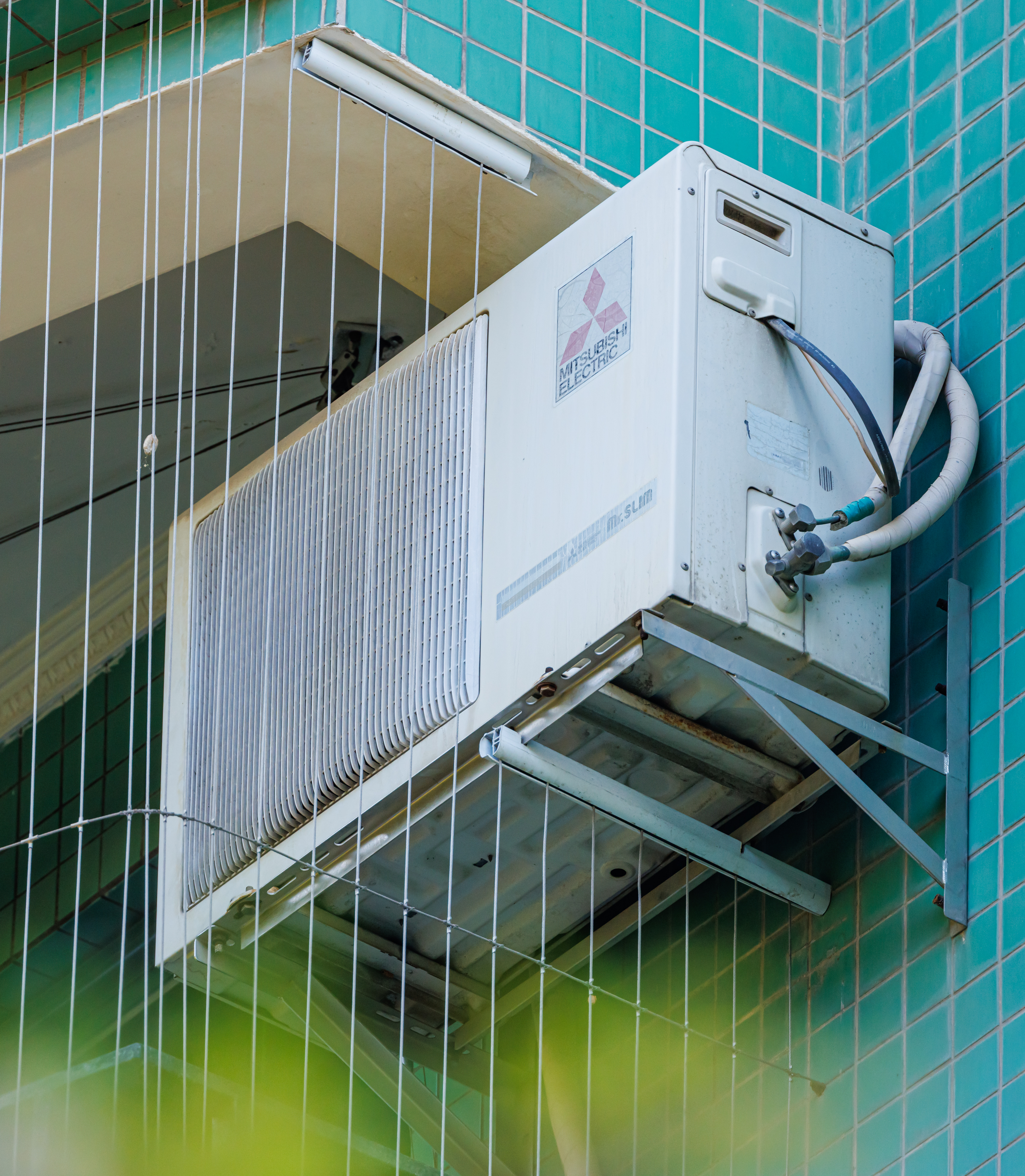
HVAC companies that get Google Ads right stop competing on price. When your ad appears at the exact moment someone's AC dies on a 95-degree day, the conversation isn't about budget — it's about how fast you can get there.
This is a guide to HVAC PPC specifically: how to structure your campaigns, which keywords to bid on, how to keep wasted spend under control, and how to tell if your campaigns are actually working.
What Is PPC for HVAC?
PPC (pay-per-click) advertising for HVAC means running paid ads on Google (and sometimes Bing or Facebook) that appear when potential customers search for heating and cooling services. You pay each time someone clicks your ad.
Unlike SEO, which takes months to build, PPC can put you in front of customers today. And unlike third-party lead platforms where you share leads with multiple competitors, Google Ads sends the prospect directly to your site or your phone number.
Google Local Service Ads vs. Google Search Ads
Before diving into campaign structure, it's worth clarifying the difference between two types of Google HVAC ads that often get confused:
- Local Service Ads (LSAs) — appear above everything else, carry the "Google Guaranteed" badge, and charge per lead (not per click). Requires Google verification of your license and insurance. If you haven't set these up yet, start there.
- Google Search Ads (standard PPC) — text ads that appear below LSAs and above organic results. More control over messaging, landing pages, and bidding. You pay per click, not per lead.
The two work together. LSAs handle the top-of-page real estate for high-intent local queries. Search ads let you capture additional volume, run seasonal campaigns, and test specific messaging. A well-run HVAC digital marketing program uses both.
HVAC PPC Campaign Structure That Works
The most common mistake HVAC companies make in Google Ads is running one campaign with all their keywords. Here's a structure that works better:
Campaign 1: Emergency Service (highest-intent, highest bids)
These are the "right now" searches from people with a broken system. Highest intent, highest willingness to pay, highest acceptable CPC.
- "AC not working"
- "furnace won't start"
- "no heat emergency"
- "AC repair near me"
- "HVAC repair [city]"
- "emergency HVAC [city]"
Landing page: your main service page with the phone number prominent and a fast-loading form. The ad should lead with availability ("Available Today" or "Same-Day Service") and social proof (number of reviews or years in business).
Campaign 2: Installation (higher revenue, more competitive)
System replacement searches come from homeowners who've decided to upgrade or whose old system died. These jobs are worth 5–10x service calls, so you can pay more per click and still profit.
- "AC installation [city]"
- "new air conditioner cost"
- "HVAC installation [city]"
- "furnace installation [city]"
- "replace HVAC system"
- "new HVAC system [city]"
Campaign 3: Maintenance / Tune-Up (seasonal volume, lower CPCs)
Tune-up and maintenance searches are seasonal — spring for AC, fall for furnace. CPCs are lower because these leads are less urgent. Use this campaign to fill shoulder-season capacity and convert one-time customers into agreement holders.
- "AC tune-up [city]"
- "HVAC maintenance [city]"
- "furnace tune-up [city]"
- "air conditioner service [city]"
Keyword Match Types: The Basics You Must Get Right
Match types control which searches trigger your ads. Getting this wrong burns budget fast.
- Broad match — your ad can show for any loosely related search. "HVAC repair" on broad match could trigger for "HVAC school," "HVAC careers," or "HVAC parts." Start with this only once you have a robust negative keyword list.
- Phrase match — your ad shows when the search includes your keyword phrase in roughly that order. "HVAC repair" on phrase match would trigger "AC repair service" but not "repair HVAC school." A safer default for HVAC.
- Exact match — your ad shows only for that exact search (and very close variants). Highest control, lower volume.
For most HVAC companies starting out: phrase match for most keywords, exact match for your best performers, and aggressive negatives across the board.
Negative Keywords: Where Budget Goes to Die Without Them
HVAC PPC campaigns without a solid negative keyword list are profit leaks. Common waste categories for HVAC:
- DIY and how-to: "how to fix," "DIY AC repair," "AC repair instructions," "clean AC coils yourself"
- Careers and education: "HVAC jobs," "HVAC training," "HVAC certification," "HVAC school," "HVAC career"
- Auto/commercial: "car AC repair," "auto HVAC," "commercial refrigeration" (if you're residential)
- Parts: "AC parts," "furnace filter," "HVAC parts near me"
- Wholesale/supplier: "HVAC wholesale," "HVAC distributor"
- Out-of-service-area cities — add cities you don't serve as negatives
Add negatives before your campaign goes live. Then check the Search Terms report weekly for the first month and add anything irrelevant you find.
HVAC Ad Copy That Gets Clicks
Responsive Search Ads (RSAs) let you write multiple headlines and descriptions, and Google tests combinations. For HVAC, write at least:
- 3–4 trust headlines: "Licensed & Insured," "1,200+ Google Reviews," "Serving [City] Since 2008," "Family-Owned HVAC Company"
- 3–4 urgency/availability headlines: "Same-Day Service Available," "24/7 Emergency HVAC," "Call Now — Technicians Standing By," "Available Today"
- 3–4 value headlines: "Free Second Opinions," "10-Year Parts Warranty," "No Overtime Charges," "Upfront Flat Pricing"
- 2 descriptions that include the city name and a clear next step: "Call [Company Name] for same-day AC repair in [City]. Licensed technicians, upfront pricing, no surprises. Call now."
Always include your phone number as a call extension. Many HVAC customers will call directly from the ad rather than visiting your site. A call extension also shows your number on desktop even when they don't click through.
Landing Pages: The Click Isn't Enough
Getting someone to click your ad is half the job. Getting them to call is the other half. Most HVAC companies send paid traffic to their homepage, which is a conversion killer.
A better approach:
- Each campaign or ad group gets its own landing page
- Emergency repair ads go to a page with just your phone number, a 2-field form, your service area, and a few trust signals (reviews, years in business, guarantees)
- Installation ads can go to a page with more detail — system comparison, financing options, free estimate offer
- Every page loads in under 3 seconds on mobile
Speed matters enormously. An HVAC searcher's AC just broke. If your landing page takes 5 seconds to load on their phone, they're already calling the next result.
Budgets and What to Expect
HVAC PPC is competitive. In a mid-sized market (population 150,000–500,000), realistic numbers:
- Emergency/repair campaigns: $8–$25 per click depending on market
- Installation campaigns: $10–$30 per click
- Maintenance/tune-up: $5–$15 per click
A $2,000/month budget in a mid-sized market might generate 80–150 clicks. If your landing page converts at 15–20% (realistic for a well-optimized page), that's 12–30 phone calls per month from HVAC ads. At an average job value of $500–$8,000 depending on service, the math works out for most HVAC companies.
Peak season (July/August for AC, November/December for heating) is more expensive. If you're budget-constrained, consider pausing installation campaigns in shoulder months and concentrating spend during peak season when intent is highest.
Conversion Tracking: The Non-Negotiable
Without conversion tracking, you're flying blind. You don't know which campaigns, keywords, or ads are producing jobs — which means you can't cut what's not working or scale what is.
For HVAC, track at minimum:
- Phone calls from ads (use call extensions with call tracking)
- Phone calls from your website (Google's website call conversion tracking, or a third-party call tracking number)
- Form submissions
A lot of HVAC business comes in via phone, not form. If you're only tracking form fills, you're under-counting your leads by 60–80% and making the campaigns look worse than they are.
When to Manage It Yourself vs. Hire an Agency
Google Ads has a learning curve. Common mistakes that cost money: using broad match without negatives, sending all traffic to the homepage, not tracking phone calls, and setting up one campaign with every keyword mixed together.
If you're spending under $1,000/month, managing it yourself (with Google's free resources and tools) might make sense. Above $1,500/month, the complexity and ongoing optimization work usually makes a professional more cost-effective — particularly one that specializes in home services and understands how to structure HVAC campaigns.
What to look for in an HVAC PPC agency: proven HVAC experience, transparent reporting (you own the account), and a clear explanation of how they structure campaigns and handle negative keywords. Avoid any agency that won't show you the actual account data.
If you want help building a Google Ads program for your HVAC company, Silver Path Marketing specializes in home services PPC and can show you exactly what a well-structured account looks like.